
The Young V&A – formerly known as the Museum of Childhood – has reopened in East London after a three year and 13 Million Pounds renovation and transformation process. The 5,200sqm redeveloped museum is designed for children up to 14-year-olds and has been developed “with, not for” its audience. The co-creative approach indicates a shift in the museum field in thinking about the way museums can be meaningful places for (young) visitors.
The project team involved Architecture studios De Matos Ryan and AOC, who worked with the V&A’s project team to renovate the museum, as well as 22,000 schoolchildren, teachers, families, local people and both Special Education Needs and Disabilities (SEND) and other community groups.
The Power of Co-Creation: Shaping the Narrative with Children
The renovation project was guided by a core principle: to involve young people and families in shaping the museum. Children and their caregivers were invited to share their thoughts and ideas on how the museum could be improved in workshops, surveys and focus groups. This collaborative approach should guarantee that the renovation reflected the genuine needs and interests of its target audience. Did it work out?
A Space for Play, Creativity and Discovery
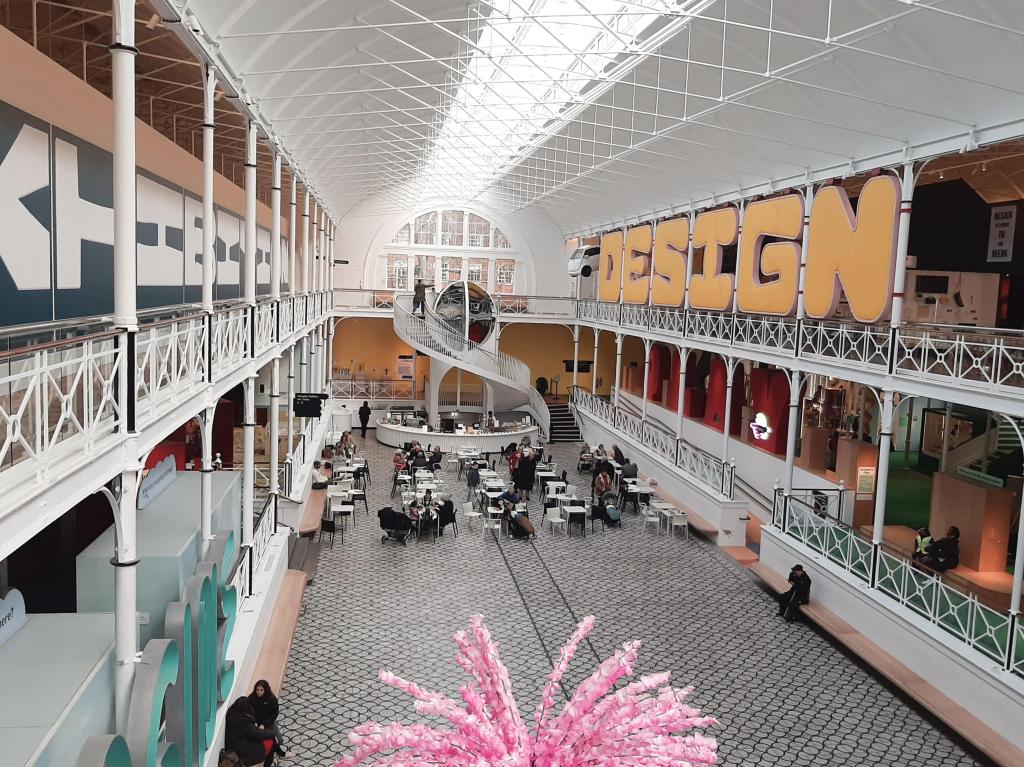
The Young V&A resides within a Grade II-listed structure dating back 150 years. The majestic Victorian structure features a partly prefabricated iron framework and retains many original features, including a central courtyard with a barrel-vaulted roof.
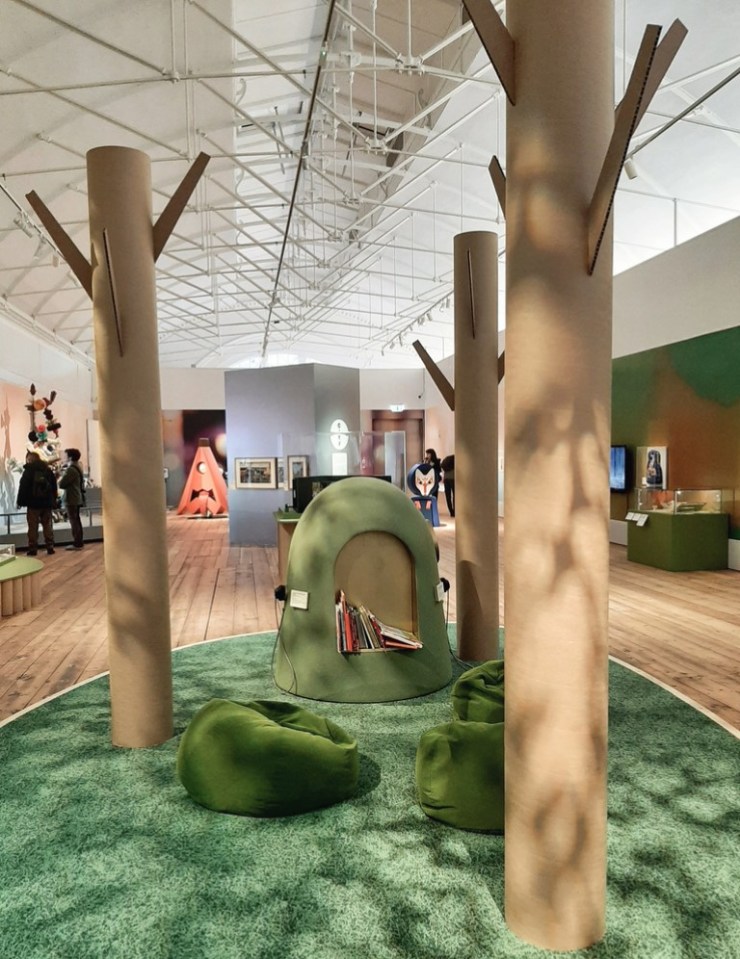
The building’s central Town Square serves as its vibrant heart, providing visitors with a focal point for orientation. It is surrounded by three permanent galleries and a new temporary exhibition gallery, with learning studios and a workshop.
In the Town Square guests can take advantage of seating options such as benches, chairs, and tables to enjoy their snacks or grab a something from the café. The inclusion of a consumption-free picnic area is crucial, recognizing the diverse dietary needs of some individuals and acknowledging that not everyone may have the means to purchase food on-site.
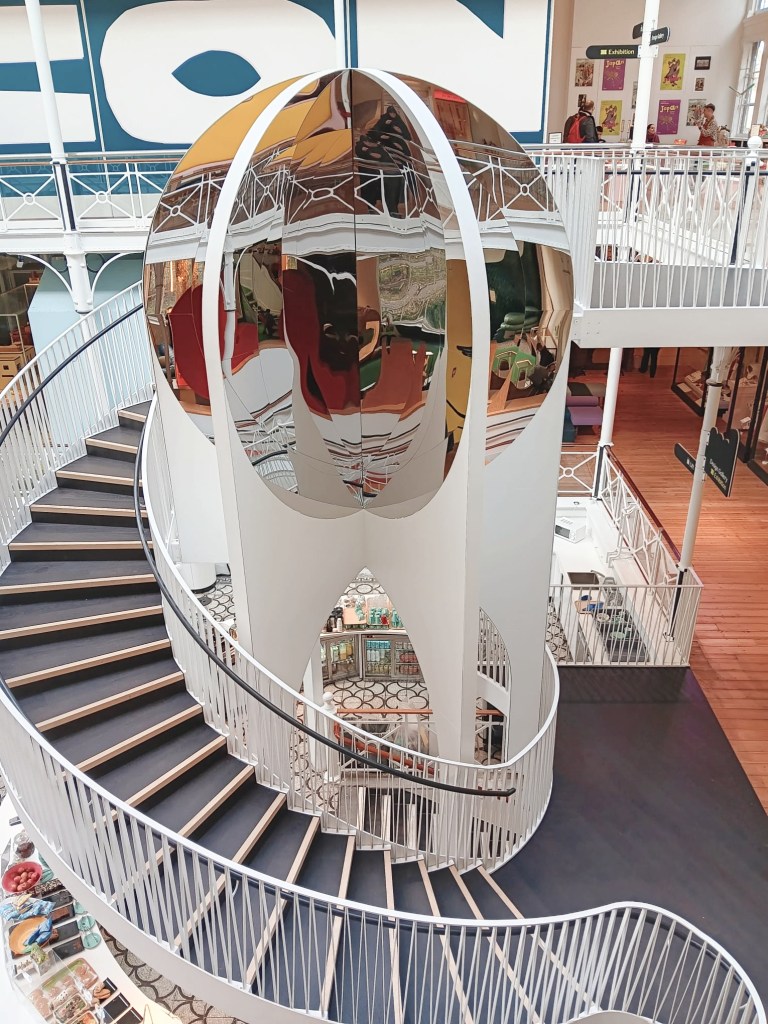
The courtyard’s focal point is a spiral staircase that is topped with a striking reflective orb. The design of this staircase was a collaborative effort between De Matos Ryan and local children, who played an integral role in the creative process. The inspiration was drawn from optical illusion toys found in the V&A’s vast collection.
Accessibility
The museum places accessibility at the forefront, considering intellectual, architectural, and financial aspects. Catherine Ritman-Smith, the Head of Learning and Engagement at Young V&A, emphasizes the museum’s commitment to breaking down barriers by offering free admission, ensuring that even during challenging times, there are welcoming spaces for everyone. While special exhibitions may have an entrance fee, there is always a range of free activities available. (Source: Euronews)
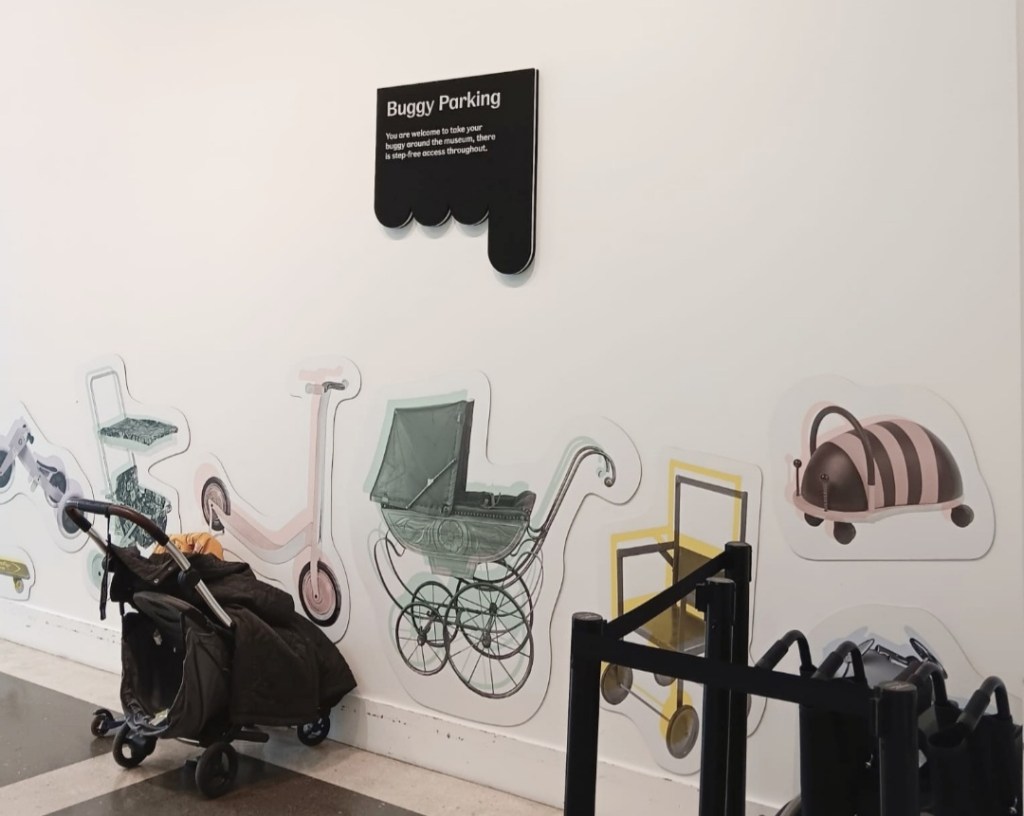
The museum’s architecture caters to the specific needs of its young audience. Object vitrines, installations and hands-on stations are designed at a height suitable for young visitors.
Another accessibility feature is the Reading Room, located on the lower-ground floor. This designated quiet space provides a serene environment for those seeking respite from sensory stimuli, offering a versatile setting for activities such as reading, homework, prayer, or breastfeeding.
A Journey through the Stages of Childhood
The museum shows over 2,000 objects dating from 2300BC to today in three galleries that guide visitors through the stages of childhood, from infancy to adolescence. The three main galleries are marked by giant words – Play, Imagine and Design.
In contrast to the former Museum of Childhood, which exclusively featured works from the National Childhood Collection, the Young V&A broadens its scope by incorporating objects from the parent museum’s extensive collection of 2.8 million works encompassing art, design, and performance. Also on show are major works, including Rachel Whiteread’s Place (Village), a vertiginous display of 100 dolls houses, created in dialogue with the museum’s collection of dolls houses.
Play
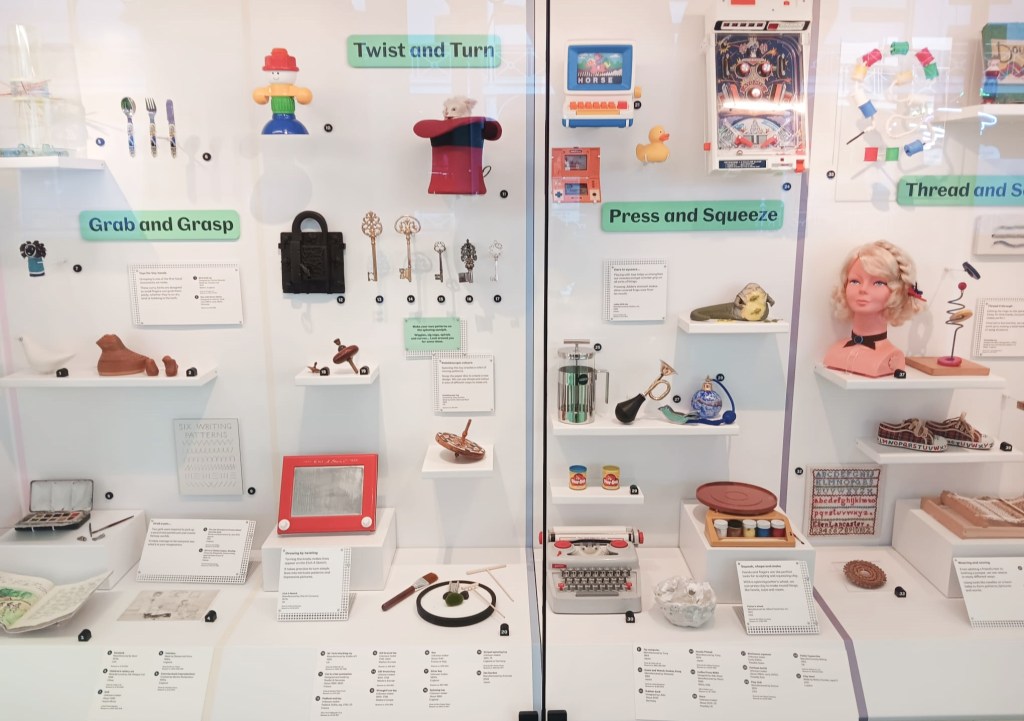
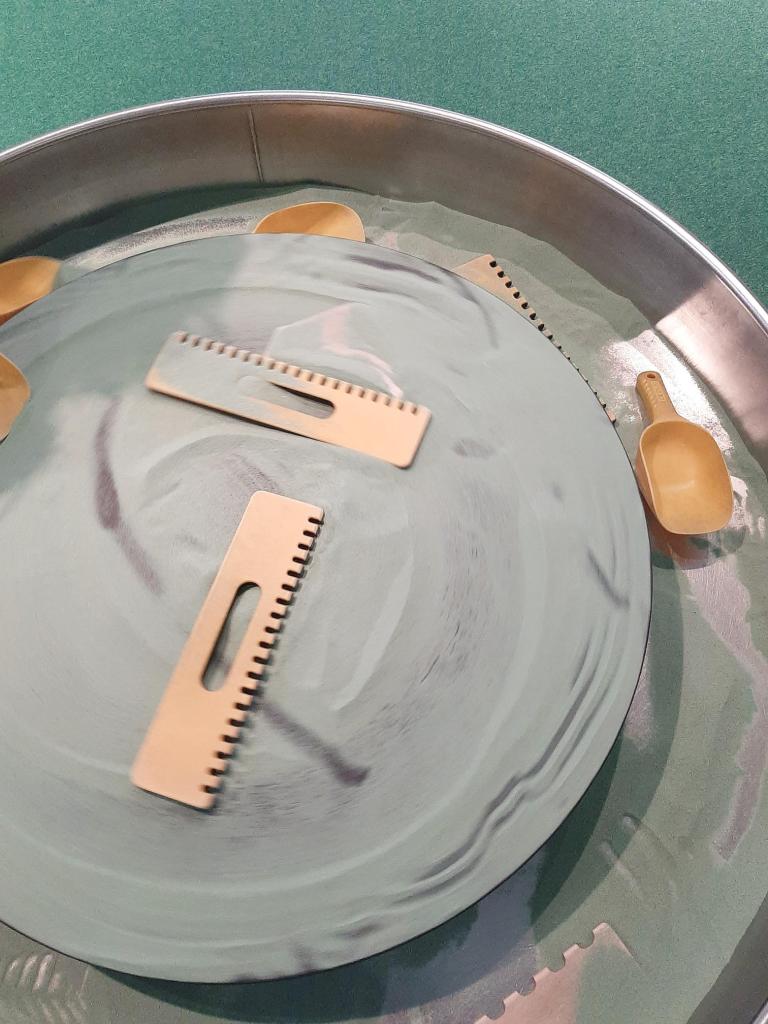
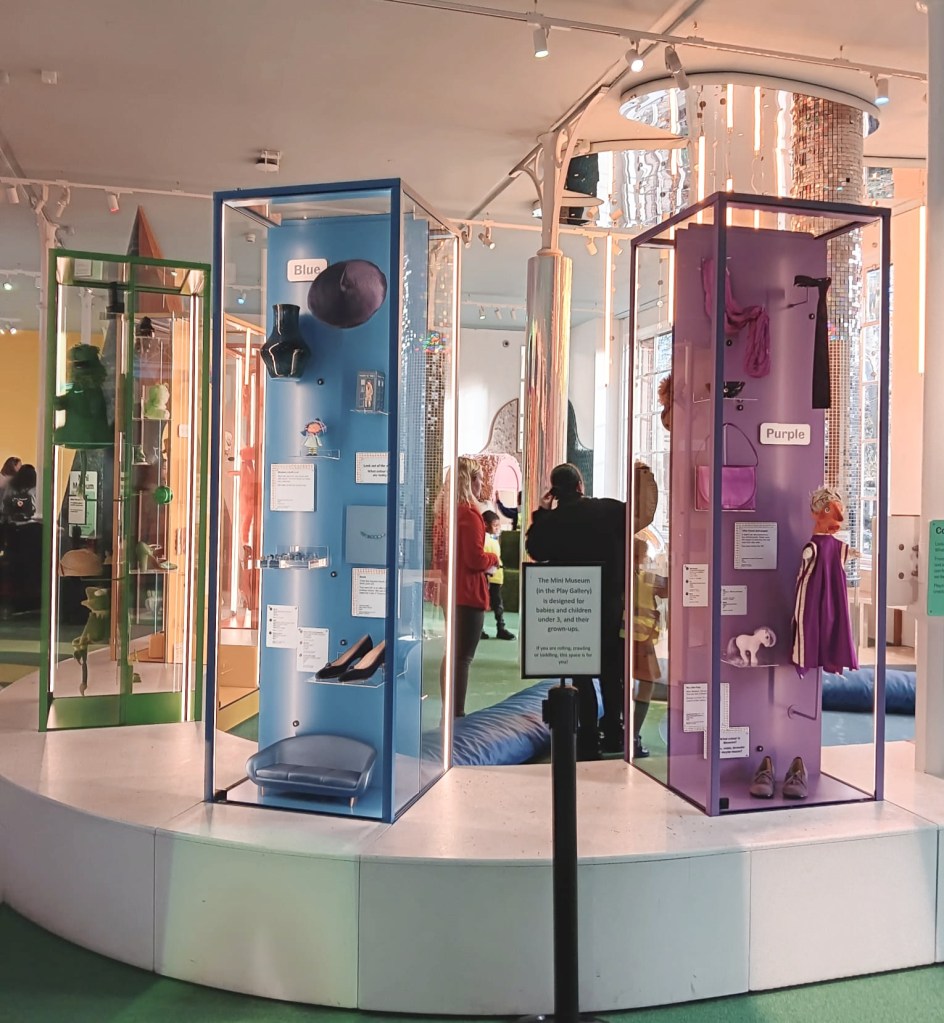
The ‘Play’ area on the ground floor is specially designed for pre-walkers. It features a sensory-led “mini-museum” that emphasizes the tactile nature of items in the collection. Ancient toys are displayed in vitrines on the ground floor, in perfect height for toddlers. Huge displays with color-coded design objects invite kids to make connections between objects, fostering a playful and interactive experience. A nice hands-on station is a sandpit, reminiscent of a well-loved feature in the former Museum of Childhood, as shared by a dedicated long-term visitor from the local community.
Imagine
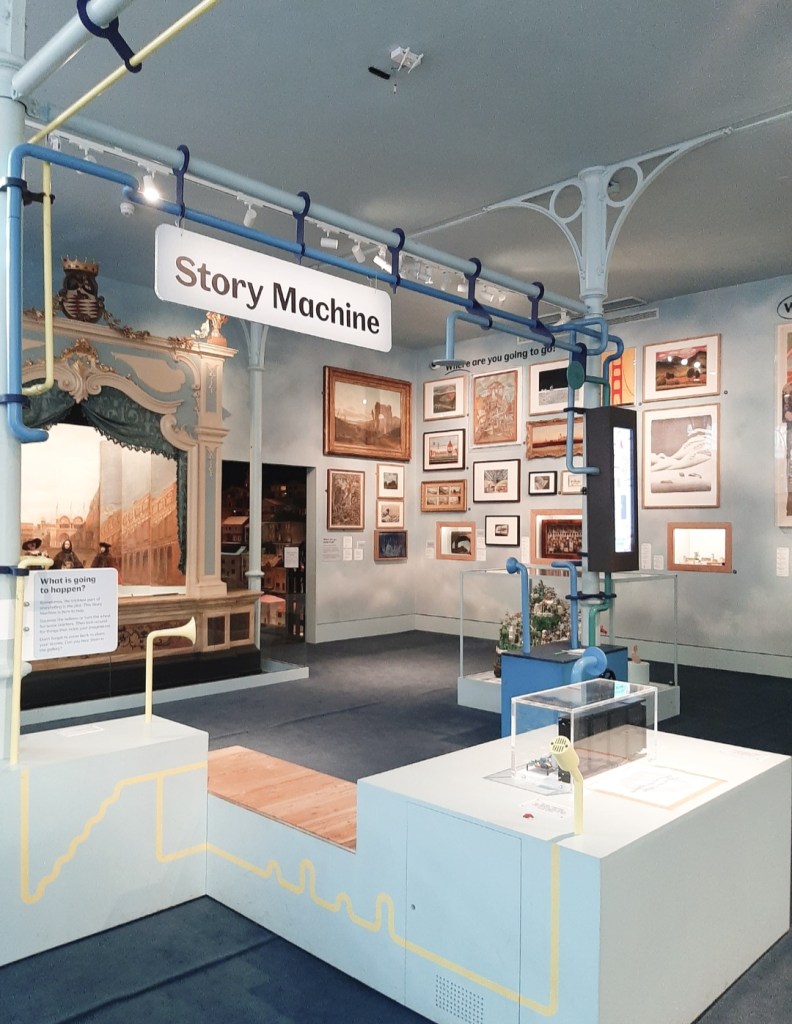
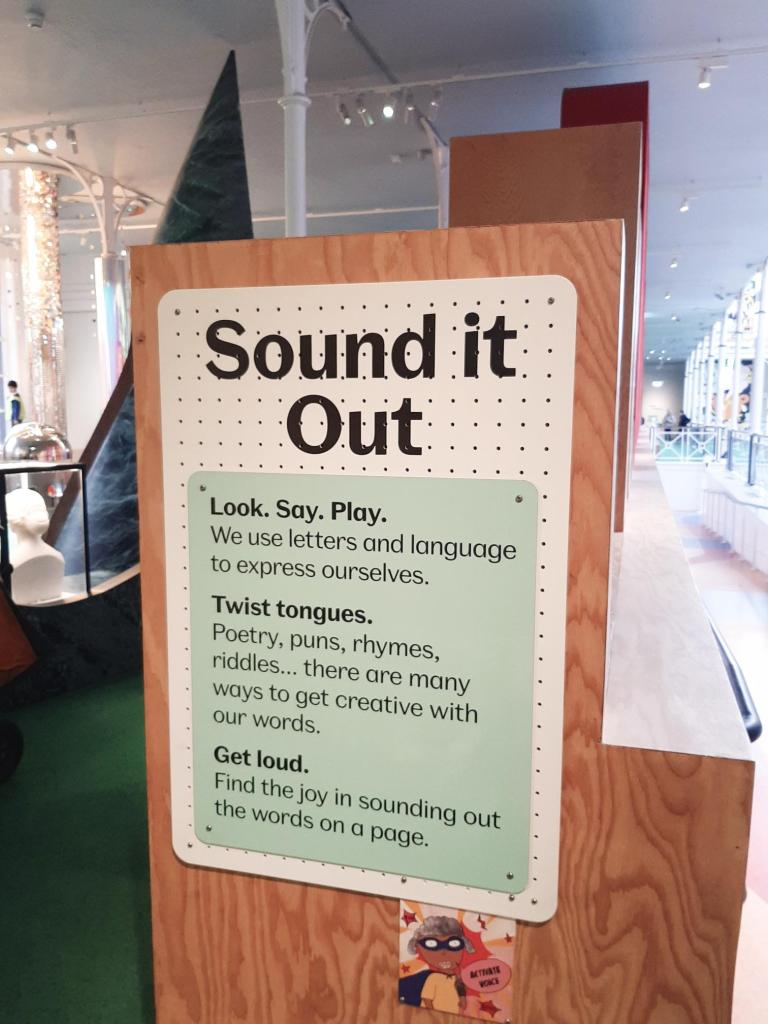
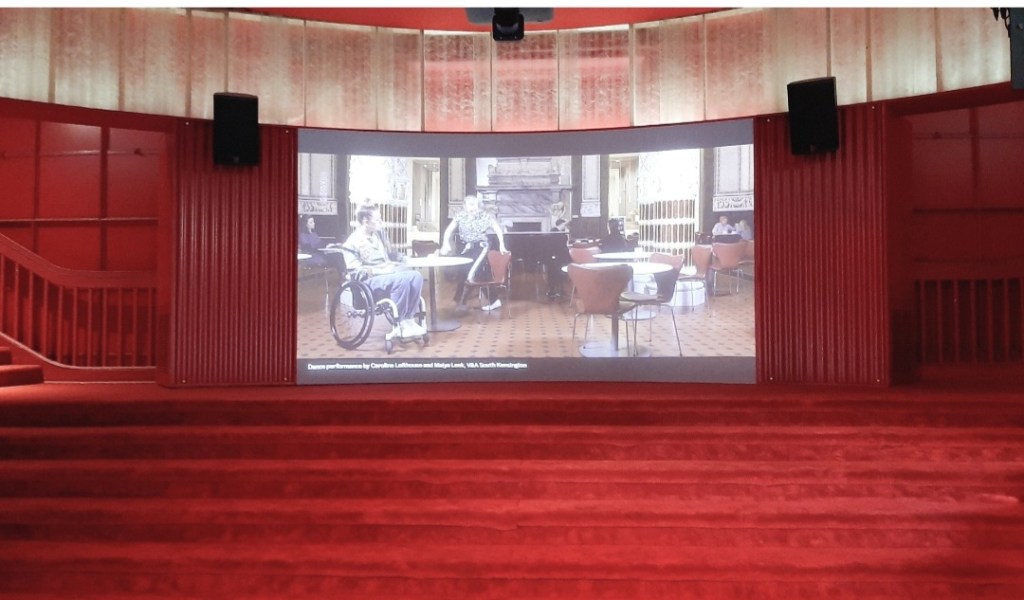
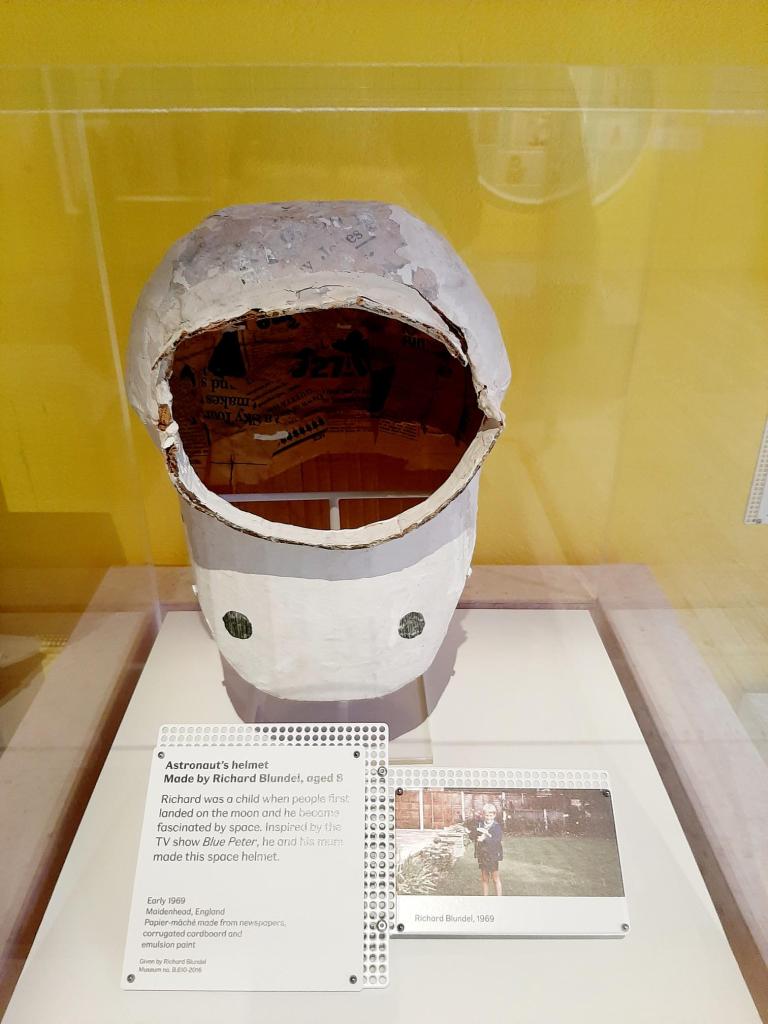
‚Imagine,‘ located on the ground floor opposite the Play Area, showcases the Young V&A’s most sizable exhibit—an 18th-century Italian marionette theatre. Adjacent to this, there is a 125-person-capacity stage, luxuriously carpeted in vibrant red, ready to host performances by and for children. Within the Imagine Area, real-life kids‘ inventions are exhibited, giving the young people also a spotlight on the museum stage.
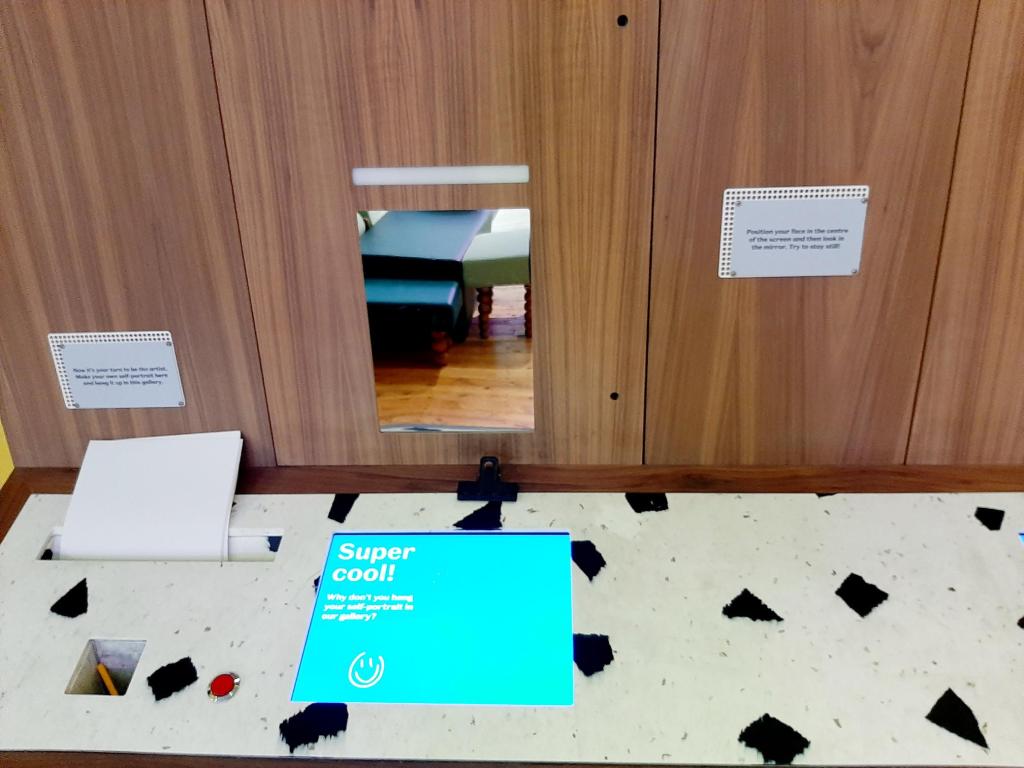
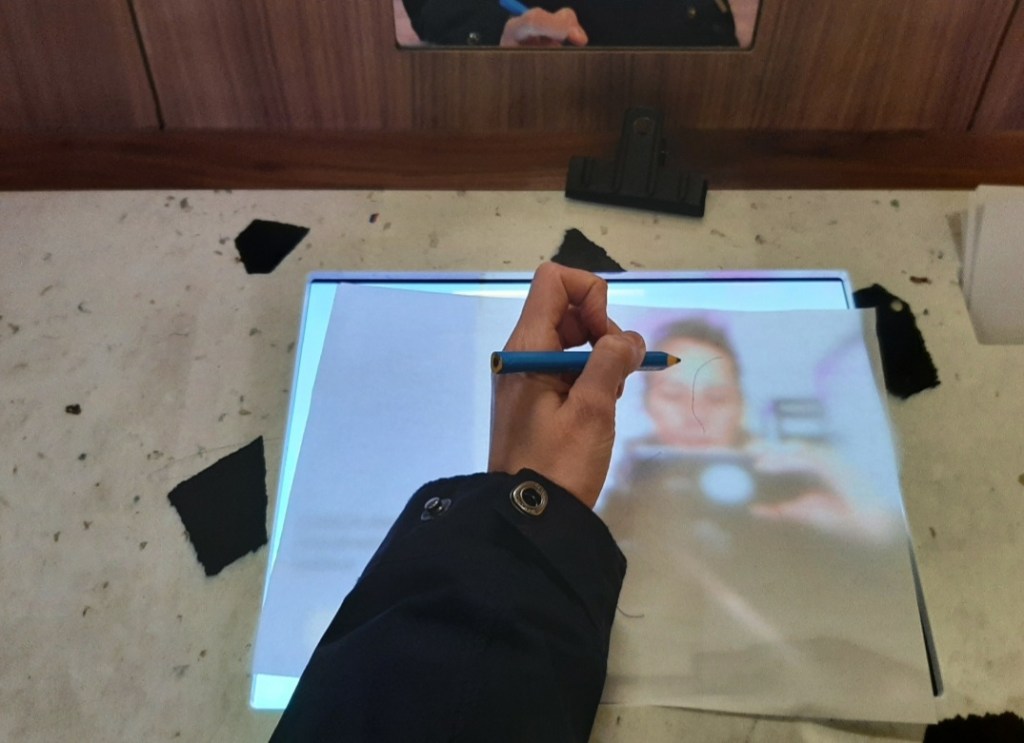
One notable feature is an interactive portrait station, developed in partnership with students from nearby primary and secondary schools. The inspiration for this station stemmed from a Japanese print depicting a woman at a dressing table surrounded by self-portraits. A child’s ingenious suggestion led to the incorporation of an actual table, allowing visitors to draw portraits of themselves. (Source: The Guardian)
Design
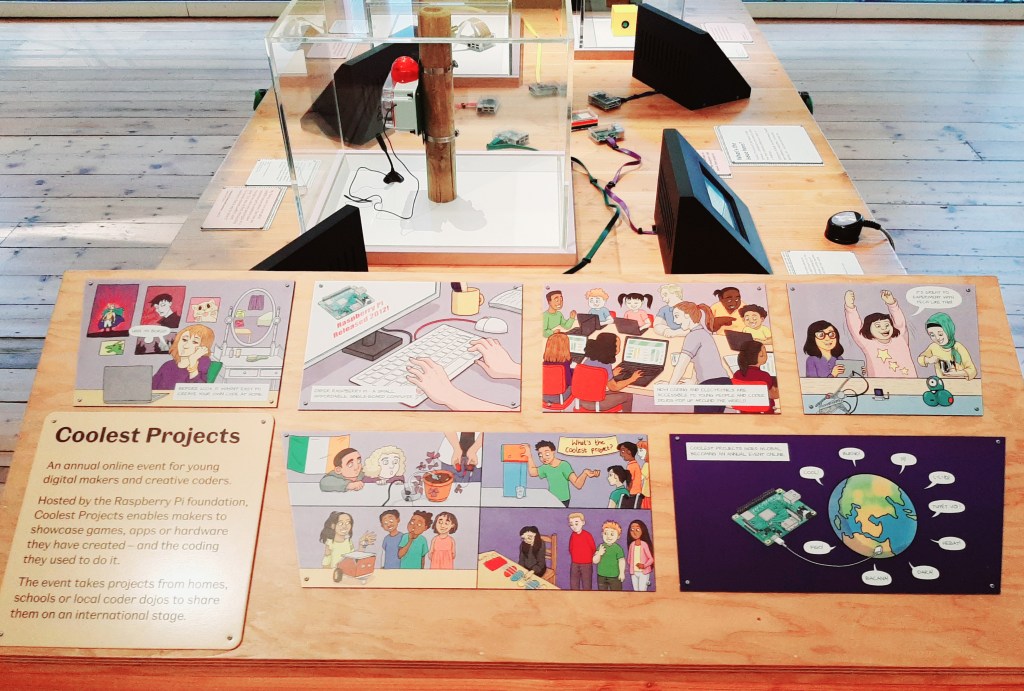
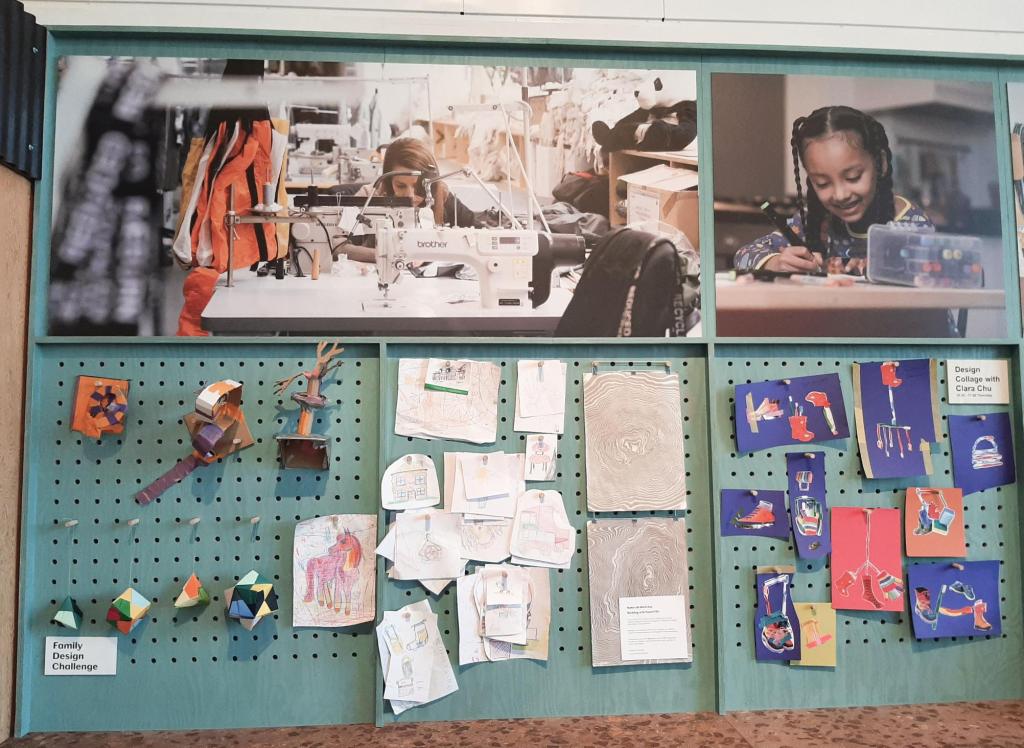
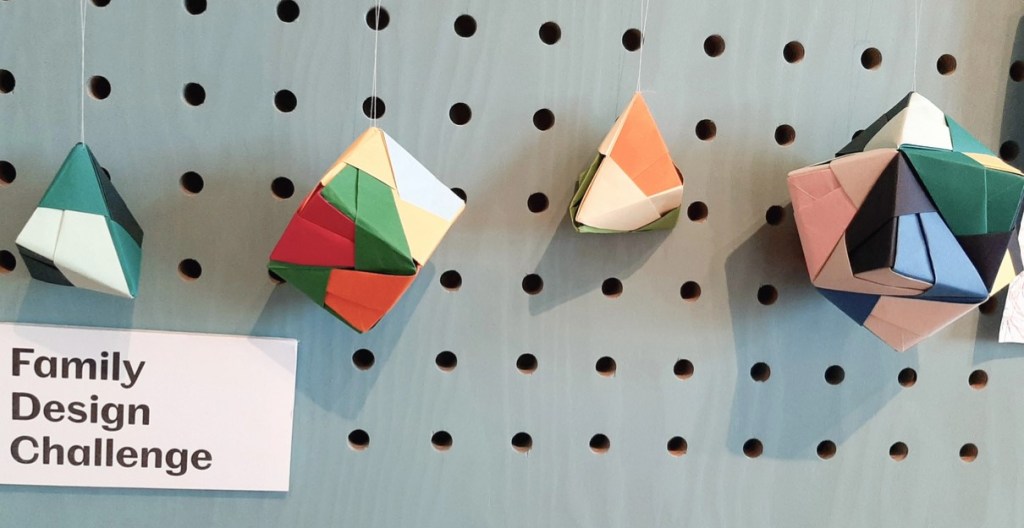
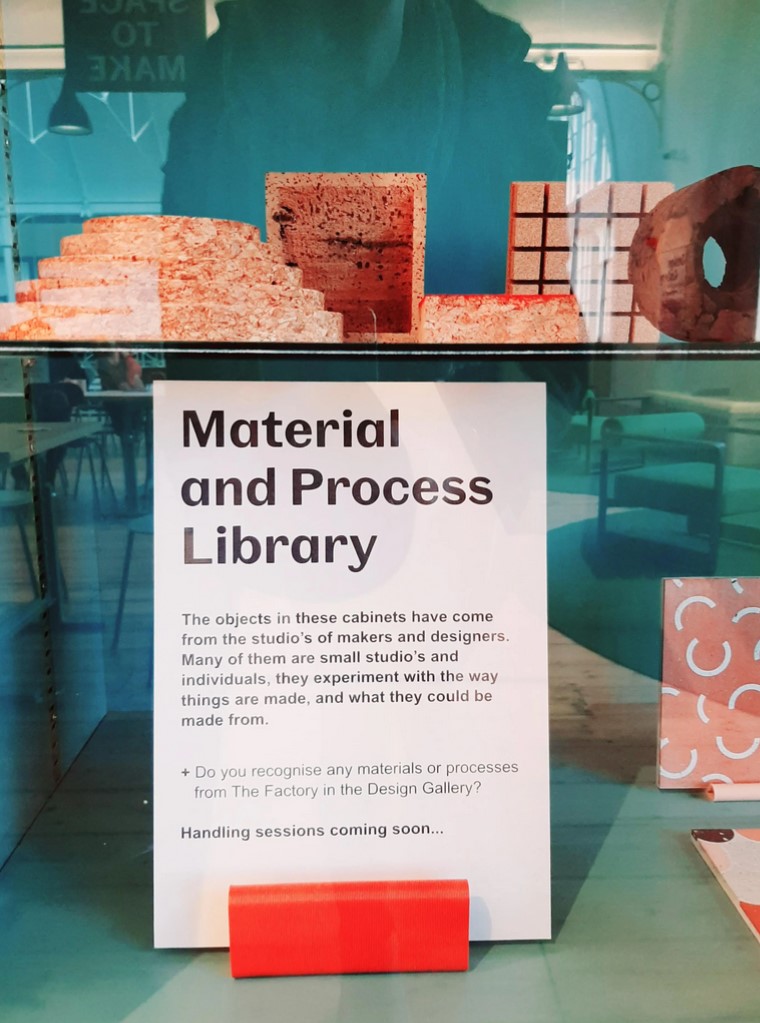
The „Design“ gallery, tailored for older children, seeks to ignite creative thinking through hands-on activities and showcases inventions by young minds. Positioned on the first floor, this gallery shows a diverse array of objects, ranging from kitchenware to toys, curated to underscore the evolving role of design in everyday life.
Temporary Exhibitions
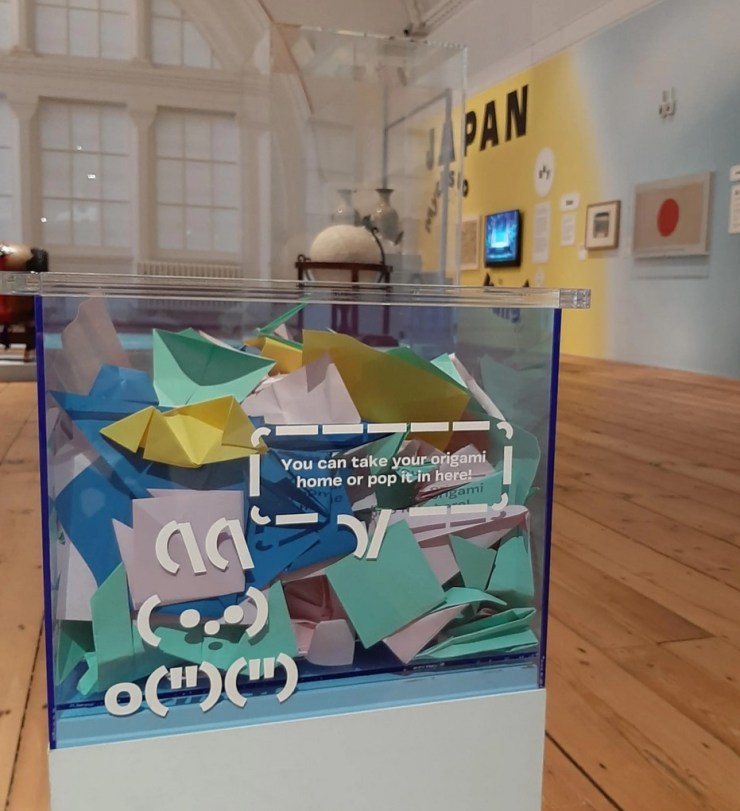
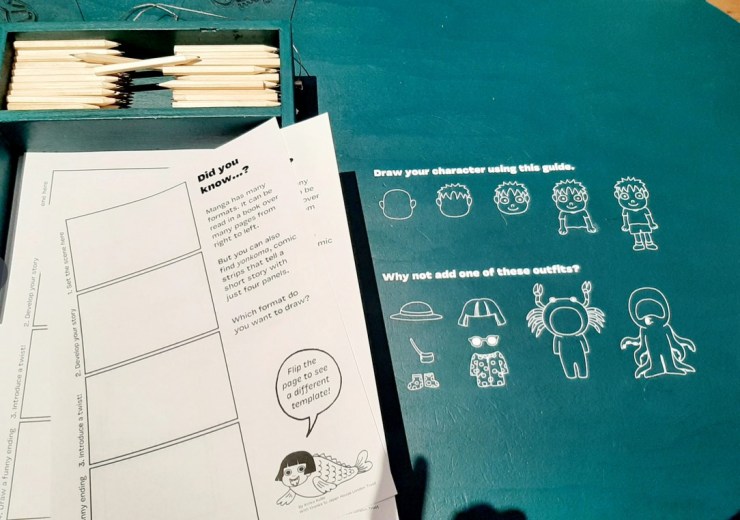
The Young V&A hosts an annual temporary exhibition. The inaugural exhibit, „Japan: Myths to Manga,“ launched in October 2023, delves into the ways Japanese folklore and myths celebrate childhood.

A Paradigm Shift
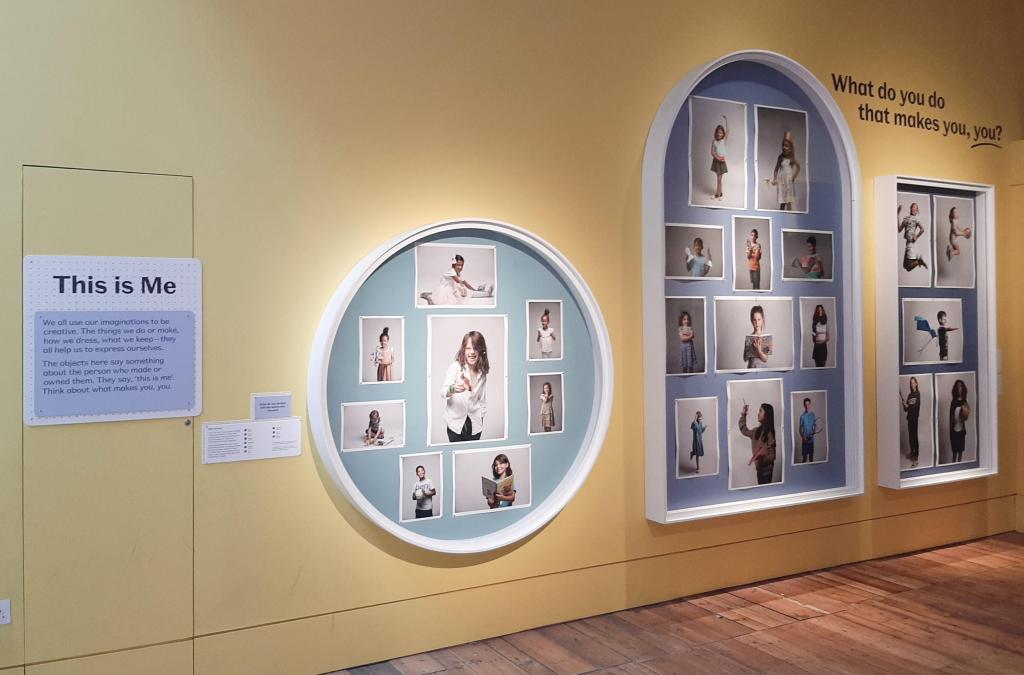
The Museum of Childhood’s renovation signifies a shift from the traditional one-way museum model to a community-centrist space. The co-creative process ensures the integration of young people, their needs, and ideas throughout the museum. Highlighting personal collections and inventions of young individuals, the museum actively elevates their achievements and ideas, granting them a meaningful presence and a voice within its walls.
The museum offers an immersive and participatory environment. Visitors are not passive spectators; instead, they are encouraged to actively engage with exhibits and participate in hands-on activities. Utilizing interactive touchscreens, augmented reality experiences, and digital storytelling tools, the museum seeks to stimulate imagination and foster active learning.
While adopting a dynamic and interactive approach, the museum maintains its identity as a cultural heritage institution rather than a themed play park for kids. Precious objects from the V&A’s collection are displayed alongside items specifically designed for young people, establishing the museum as the first to present a national collection of artworks tailored for young audiences. This marks a significant evolution in how children interact with cultural artifacts (Source: The Art Newspaper).
How much guidance is needed?
Young visitors are presented with a wealth of objects to engage with, alongside numerous hands-on and interactive stations. The division of the museum into three main galleries tailored for different age groups ensures that the amount of offerings is not overwhelming. This marks a departure from the previous Museum of Childhood, which primarily presented historic toys in glass vitrines, offering little guidance. The current visitor experience is more guided and curated, with encouragements such as „Be more curious“ and „Get experiencing“ occasionally bordering on an (over)enthusiastic caregiver’s desire to ensure children derive maximum benefit from their visit.
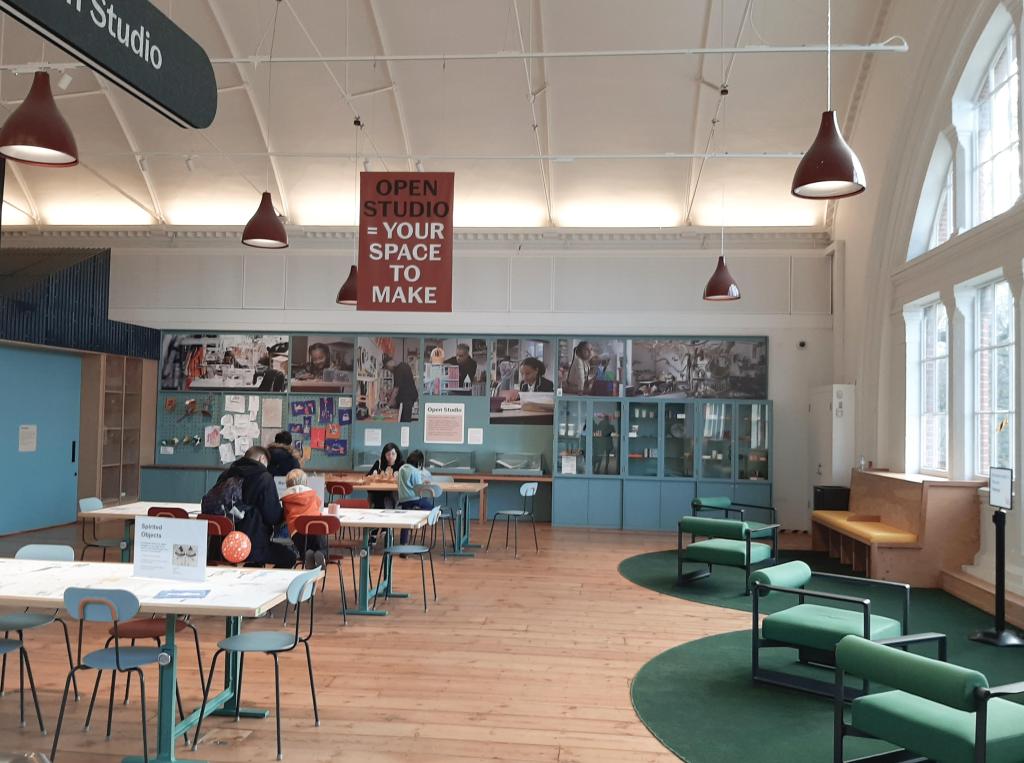
On the upper floor, a creative drawing room awaits. Tables are equipped with paper, stencils, and pencils. But when we visited, the paper was already covered with doodles. The space seemed to to attract more adults than kids – maybe because it’s a quiet escape from the lively sounds of the play area downstairs.
Conclusion
The Young V&A’s signals a shift in the museum landscape, acknowledging the importance of incorporating voices and perspectives from the museum’s community. Through a commitment to co-creation and the design of spaces that blend engagement and education, the Young V&A sets an example for other museums.
While the museum excels in the realm of co-creation and hands on stations, it confronts challenges that are not uncommon in museums: during our visit, several hands-on stations was out of service, and there were concerns about extended waiting times for entry. TripAdvisor comments also shed light on an additional challenge—diverging expectations among visitors. Some seeking adventure express discontent with exhibitions showcasing objects in vitrines and conveying information through text and labels. On the other hand, those anticipating an experience akin to the old Museum of Childhood, with a focus on direct interaction with objects, find themselves disappointed by the new, interactive exhibition style. It appears that the integration of children and the community into the development process, while intriguing for museum experts and journalists, may not be widely known or impactful for the end-users.
The Young V&A will be a vital „third space“ for families in the district. Whether it’s a place for local families to spend quality time, schools to engage with the museum’s collection, or visitors from around the globe to enjoy a fulfilling day with their families.
Links
- Young V & A
- AOC Architecture
- Englefield, Jane (29.06.2023): Young V&A designed as „national resource“ for creative learning
- Kendall, Geraldine (30.06.2023): Young V&A shapes up for a new generation
- Moore, Rowan (02.07.2023): Young V&A review – child’s play with added wonder
- Stathaki, Ellie (27.06.2023) : Young V&A crafted as a ‘joyful’ space for children and families
 Forum Kultur Vermittlung